We’ve all heard the song… It’s billed as “the most wonderful time of the year.” And for many, it truly is. But if you’re the parent of a sensitive child, you might also know it as a time of year filled with a different, quieter soundtrack: the hum of anxiety, the drumbeat of overwhelm, and the crackle of sensory overload. The holiday season, for all its magic, can be a profoundly stressful time for kids who feel things deeply.
The “holiday overwhelm kids” often push through the holidays for presents and fun, but the resulting “crash out” can be greater than we anticipate.
Table of Contents
- Recognizing the Signs of Holiday Stress in Your Child
- Practical Strategies to Create a Memorable (and Manageable) Season with your Holiday Overwhelm Kids
- Let Go of the Rest and Embrace the Joys of the Season
The constant stream of holiday activities, the disruption to regular schedules, and the pressure of endless social interactions can be a perfect storm for a sensitive child. But this doesn’t mean you have to forego the joy. It simply means approaching the season with a little more intention.
By letting go of unrealistic expectations and embracing some practical strategies, you can create a supportive environment where your child can experience the joys of the season with less stress.
Recognizing the Signs of Holiday Stress in Your Child
Before we can help, we need to know what we’re looking for. For younger children, and even older children and young adults, stress doesn’t always announce itself with the words, “I’m feeling overwhelmed.” Instead, it often shows up in their behavior.
Keep an eye out for these signs of stress:
- Emotional Outbursts: Increased crying, tantrums, or uncharacteristic anger can be a sign that your child is struggling to process big emotions.
- Physical Symptoms: Complaints of stomachaches or headaches, especially before holiday events or family gatherings, are common manifestations of a child’s stress.
- Withdrawal: If your child is suddenly clinging to you or trying to hide away from family members, they may be seeking a quiet place to decompress.
- Changes in Sleep Patterns: Late nights and a disrupted regular bedtime can exacerbate feelings of overwhelm.
Understanding these signals is the first step in providing the additional help your child might need.
Practical Strategies to Create a Memorable (and Manageable) Season with your Holiday Overwhelm Kids
The goal isn’t to eliminate all the excitement of the holidays, but to buffer it with a sense of safety and predictability. Here are some practical strategies to help your whole family find more peace.
Maintain the Anchor of a Routine
The school break throws off the normal routine, which can be deeply unsettling for a sensitive child, but while you can’t maintain your exact daily schedule, you can create a sense of predictability by making a concerted effort to stick to a regular bedtime as much as possible, even after the inevitable late nights.

Furthermore, it’s a great way to provide stability to keep mealtimes consistent and to offer plenty of healthy snacks throughout the day to help counteract the inevitable diet changes that come with the holiday season.
Another one of the practical strategies is to write out a simple daily schedule for each day, even on a lazy one, which could include specific blocks for your child’s favorite activities, some form of physical activity like a family bike ride, and, most importantly, the crucial inclusion of quiet time.
Plan for (and Protect) Quiet Time
In a season of constant stimulation, downtime is not a luxury; it’s a necessity, so you must proactively schedule quiet time for your whole family as a great way to manage overwhelm. A key part of these practical strategies is to designate a quiet space in your home where your child can retreat, as this is truly the best place for them to recharge after a bustling family dinner or any other busy day filled with holiday activities.
It is also crucial, both before and after special events or social gatherings, to deliberately build in an hour of calm, which could look like spending time together reading books, doing relaxed holiday crafts, or just lying down in silence. For younger kids, this might need to be a mandatory rest period to ensure they get a break, while for older children and young adults, providing support might simply mean respecting their need to be in their room with the door closed, honoring their way of recharging.
Prepare for Social Interactions and Sensory Challenges
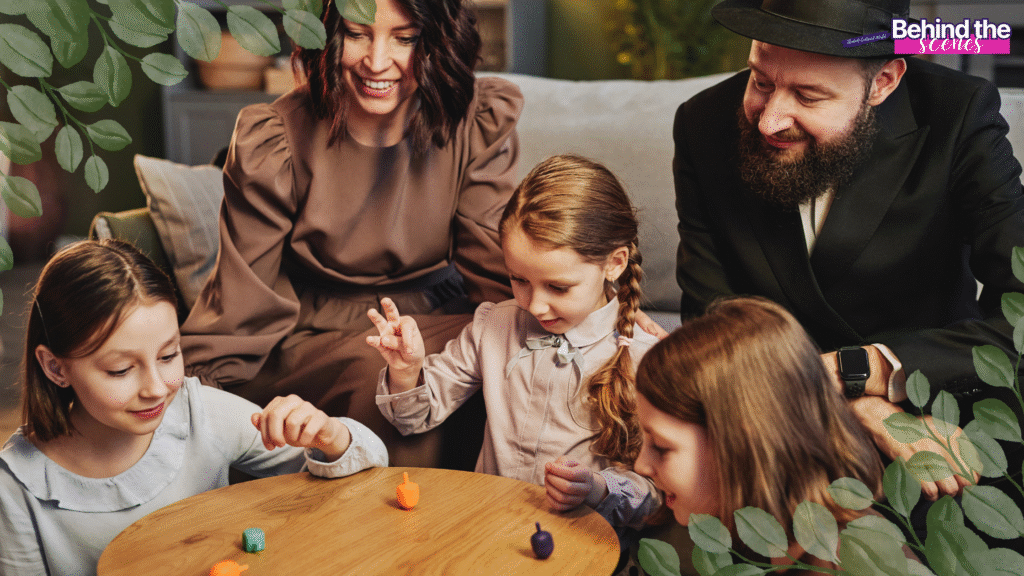
While family gatherings are a cornerstone of the holiday season, they can also be a minefield of sensory overload and social pressure for a sensitive child, so employing practical strategies is a great way to ensure a positive experience. First, use open communication by talking about upcoming events well beforehand, discussing which family members will be there and what the sequence of holiday meals or gift-giving might entail, and for kids who struggle with small talk, you can even role-play a few simple conversations to build their confidence.
Another powerful tool is to create visual schedules…a simple, visual timeline of the event (e.g., arrive, eat, open gifts, go home)…which can significantly reduce holiday anxiety by making the unknown feel known and providing a sense of predictability. Finally, it is absolutely essential to proactively manage sensory input; if your child is sensitive to the loud music and bright lights typical of holiday gatherings, come prepared with noise-canceling headphones and don’t hesitate to suggest hanging out in a quiet space away from the main action, actively being their advocate to protect their child’s comfort level.
Empower Them with Healthy Ways to Cope
It is vital to teach your child that their big emotions are valid and to give them healthy ways and practical strategies to manage them, as this is one of the greatest gifts you can give to your children’s mental health, both during the holiday season and beyond.
A great way to start is to practice simple breathing exercises together; teach them a deep breathing technique, like pretending to smell a flower and then blow out a candle, which is a powerful tool they can use to calm their nervous system during stressful situations, anywhere, anytime. Make a point to incorporate physical activity into your daily activities, as a vigorous bike ride or a rambunctious snowball fight can be a fantastic release for pent-up energy and holiday anxiety.
Finally, while it can be a default during the school break, be mindful to limit much screen time, as excessive use can sometimes heighten anxiety instead of relieving it; instead, consciously encourage other, more active forms of relaxation and connection to help the whole family find a sense of calm.
Manage Your Own Stress
You simply cannot pour from an empty cup, a truth that is especially critical to remember during this demanding time of year; indeed, the American Psychological Association notes that adults report high levels of stress during the holidays, and children are astute at picking up on a family member’s own stress, which can directly impact the child’s stress. Therefore, it is essential that you practice what you preach to your kids by taking five minutes for yourself to practice deep breathing, proactively managing your own well-being.
Make a conscious effort to set aside time for yourself each day, even if it is just 15 minutes with a cup of tea, as this self-care is not selfish but a necessary practical strategy for the whole family.
Ultimately, remember that your presence is far more important than presents, and that by managing your own stress, your cultivated calm becomes a great way to create a more peaceful and positive experience for everyone, making your calm absolutely contagious throughout your home.
Let Go of the Rest and Embrace the Joys of the Season
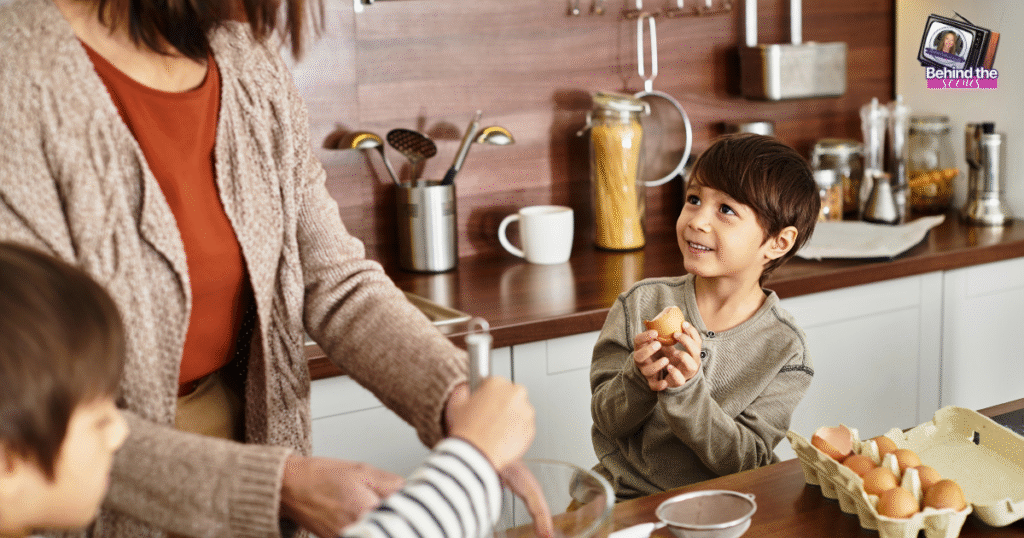
Finally, it is essential to give yourself and your whole family immense grace during this time of year, as the immense pressure to create a magical time often leads to unrealistic expectations, but the true magic often lives in the smallest moments, not the most perfect ones. To foster a positive experience, consciously focus on quality time by choosing just one or two holiday activities that truly align with your family’s needs, recognizing that baking sugar cookies together at home can be a far more positive experience for your young children than dragging tired small children to multiple parties.
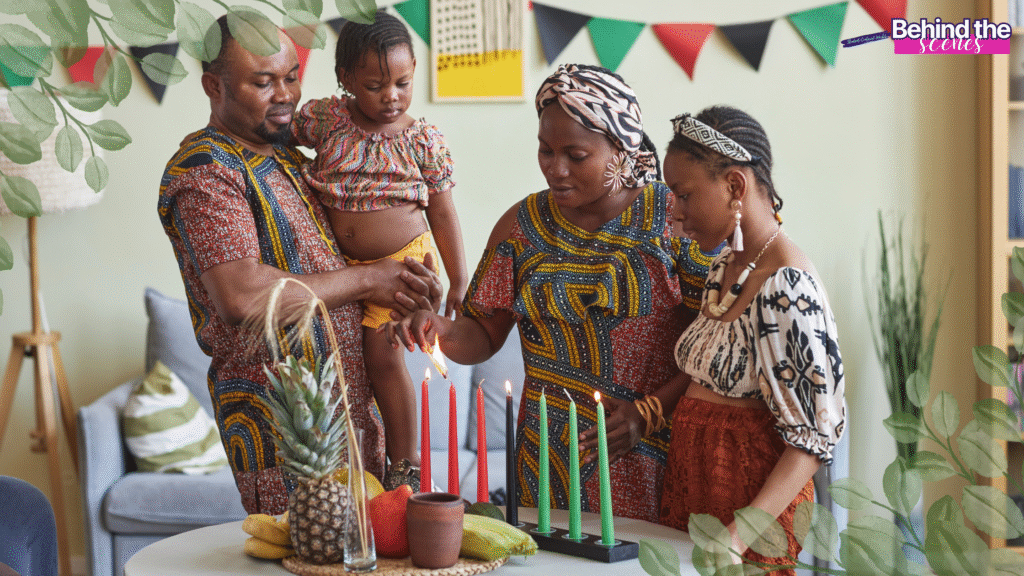
Another great way to shift the focus is to involve your kids, from younger children to older children, in giving by performing acts of kindness together, which can be a profound source of joy and connection for everyone. Above all, be flexible and follow their lead, paying close attention to your child’s comfort level at all holiday gatherings and granting yourself permission to leave early if they have had enough.
In the end, protecting their peace and letting go of the rest is a win for everyone and the best way to ensure a memorable season focused on the true joys of the season.
The holiday season is a beautiful, complex tapestry of joy and challenge, especially for sensitive souls. Between school events, seeing family members we haven’t seen in a long time, and a complete disruption of a regular routine, it’s no wonder that our young children see these busy schedules not as a time of joy, but as a disorganized, stressful time (even though they come with presents).
By tuning into your child’s stress, practicing open communication, and holding your routine with an open hand, you can dial down the holiday anxiety and dial up the connection. This year, make your goal a memorable season…one defined not by perfection, but by presence, understanding, and the quiet, resilient joy of a family that feels understood and supported. That is, without a doubt, the best way to celebrate.