
Is the dinner table lit by the glow of phones instead of conversation? Are your weekends dominated by negotiations over video games and YouTube? You’re not alone. In a world saturated with digital media, finding balance can feel like a constant battle.
But what if you could replace the conflict with connection? What if, instead of enforcing rigid screen time rules, you co-created a family ritual that everyone buys into? What if by using a family media plan template that works for everyone in your home, the stress became serenity?
That’s the goal of a family media plan. It’s not about restriction; it’s about intention. It’s a framework for your whole family to build healthy habits around technology use, ensuring it serves you rather than stresses you.
Why a “Ritual-Based” Media Plan Beats Rules Every Time
Rules are external. They’re imposed, often met with resistance, and easily broken. Rituals, however, are internalized. They are agreed-upon practices that bring structure and meaning to our lives.
A ritual-based family media plan focuses on the “what,” “when,” and “why” of media use, not just the “how much.” It transforms “You can’t have your phone at the table” into “We value our time to connect face-to-face, so we all place our phones in the basket during meals.” This shift in language from confrontation to collaboration is powerful, especially during this pivotal period of child development.
The American Academy of Pediatrics (AAP) strongly recommends creating a Family Media Use Plan to help families navigate the digital landscape. They emphasize that open communication and clear boundaries are essential for healthy mental development and are an essential component of overall health, just like nutrition and sleep.
Our Family Media Plan Template (Free Download)
Ready to create your own calm? We’ve designed a comprehensive, easy-to-use family media plan template that you can customize for your household.
This template is your important first resource to move from chaos to calm. It’s designed to spark those crucial ongoing discussions with your family members.
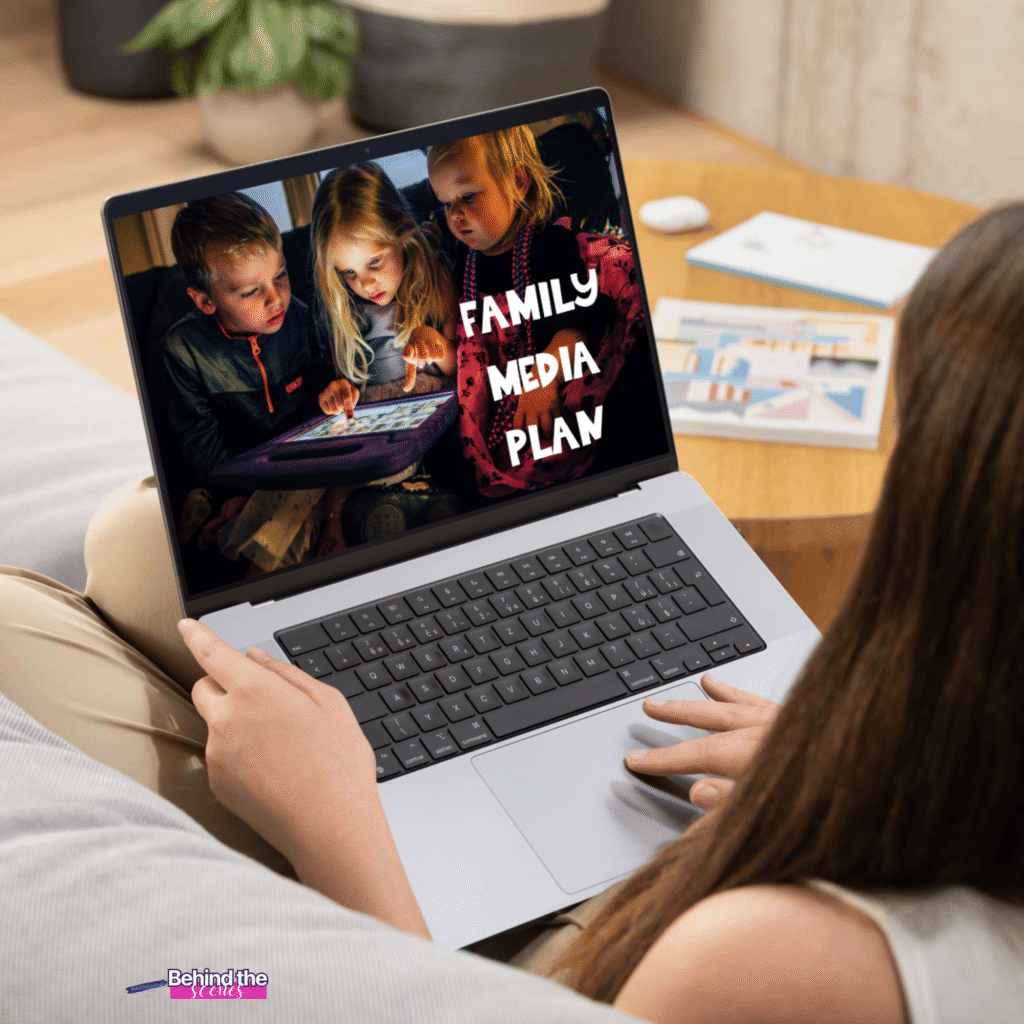
To get your free, printable PDF template, simply sign up here! You’ll get immediate access to this tool, plus more resources from our “Family Calm Reset” series.
How to Use Your Family Media Plan Template: Key Areas to Cover
Our template guides you through creating a balanced family digital agreement. Here are the key areas to discuss as a family.
1. Designate Media-Free Zones and Times
Consistency is key, so decide as a whole family where and when screens are off-limits; this creates natural breaks from digital media and protects important family time, designating the dinner table as a sacred space for conversation, bedrooms to protect sleep, especially for young children and adolescents, by charging new devices overnight in a common area, and the first hour home as a buffer to transition from school or work and reconnect.
This approach to technology use, supported by the AAP, helps establish clear boundaries for the whole family during this pivotal period of child development, ensuring that media rules protect mental health and foster healthy habits, making the dinner table a place for open communication rather than screen time, bedrooms a sanctuary for the developing brain away from video games and social media platforms, and the first hour home a media-free time to strengthen family bonds, which is an essential component of overall health for young people.
2. Set Clear Boundaries for Different Types of Media
Not all screen time is created equal, as a video chat with grandma is different from mindlessly scrolling social media platforms, so your family media plan should reflect this by establishing different limits for the whole family, focusing for young children on high-quality, educational content and using tools from Common Sense Media to choose appropriate apps and shows during this pivotal period of child development, while for older children and teens, you should discuss time limits for video games and social media, talking about being good digital citizens and the permanence of their digital footprint.
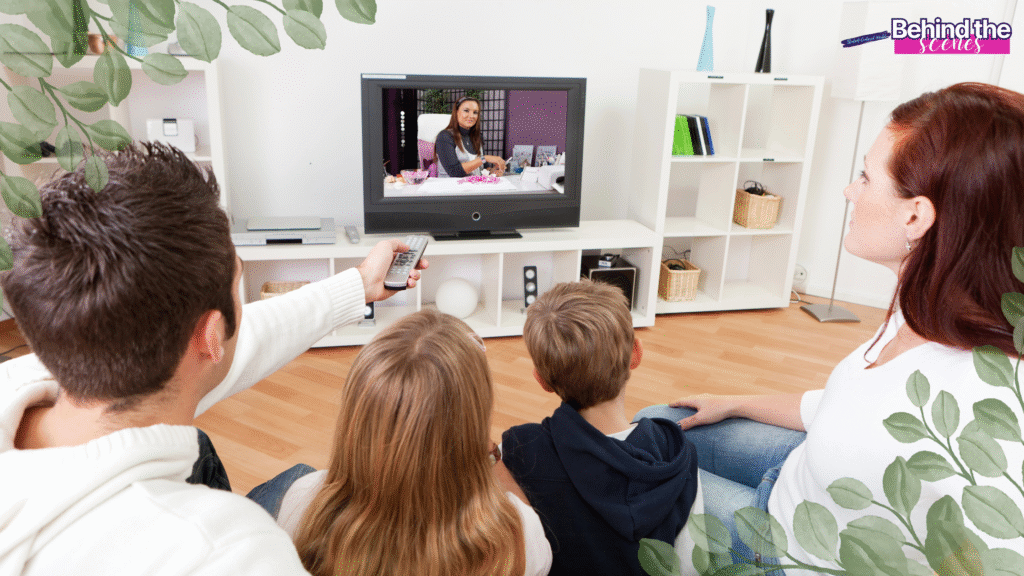
This approach to your family media use plan ensures that technology use supports healthy mental development and mental health for all young people and family members, making the American Academy of Pediatrics’ recommendations for clear boundaries and ongoing discussions about recreational versus creative technology use a practical, essential component of overall health and a powerful tool for raising good digital citizens.
3. Curate a Healthy News Diet
The constant stream of information, including scary or violent news, can be overwhelming for young people and adults alike, so your family media plan is the perfect place to establish how you’ll consume news responsibly by taking critical steps like discussing which sources are reliable, setting time limits to avoid doomscrolling, and creating a space to process together, which is a critical part of supporting their mental health.
This proactive approach turns your family media use plan into a powerful tool for navigating pivotal periods of child development, ensuring that ongoing discussions about the effects of gun violence and other difficult topics are handled with clear boundaries and open communication, making this process an essential component of overall health and behavioral health for the whole family and helping young people feel secure by talking with trusted adults about what they see and hear.
For more guidance on this delicate topic, read our companion piece: How to Talk to Kids About Scary News.
4. Prioritize Safety and Open Communication
Your plan should be a living document that fosters trust, and this section is about creating a safety net for your family media use plan by establishing clear rules about personal information and what can and cannot be shared online, ensuring your children know they can always come to you or another trusted adult if they see something online that makes them uncomfortable, and agreeing that you will discuss any new tool or app before it’s downloaded.
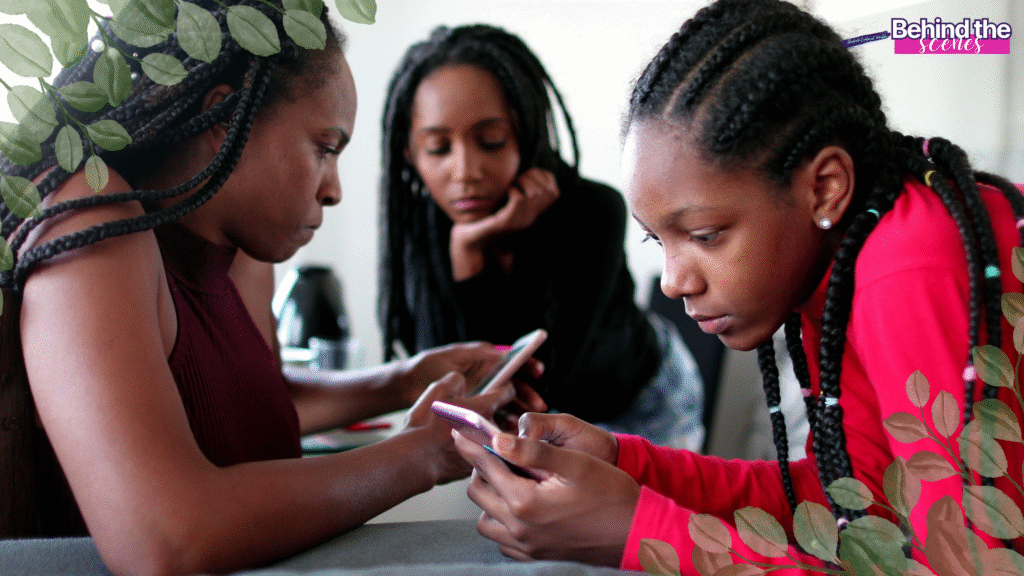
This framework is an essential component of overall health and behavioral health for young people, turning your family digital agreement into a powerful tool for ongoing discussions that protect mental health during this pivotal period of child development by ensuring all family members, from young children to teens, understand the importance of digital citizenship and have a safety net of trusted adults.
Making It Stick: The Power of Ongoing Discussions
A family media use plan isn’t a “set it and forget it” document. As your children grow and new devices and platforms emerge, your plan will need to evolve. Schedule a monthly “family check-in” to talk about what’s working and what isn’t. This keeps the open communication flowing and makes your media rules feel like a collaborative effort for the whole family.
By taking this proactive approach, you’re not just managing screen time…you’re teaching your young people how to build a healthy, balanced relationship with technology for life. Download your free family media plan template today and take the first step toward a more peaceful home.