You’re scrolling through your phone, the dinner table conversation turns solemn, or your child overhears a snippet of a news story on the radio. Suddenly, you’re faced with one of the most delicate challenges of calm parenting during crisis: how to explain scary news to kids.
Table of Contents
- Your Calm First: The Foundation of Safety
- Finding the Right Words: Age-by-Age Scripts
- The Ongoing Conversation: Building Resilience
- FAQ: How to Talk to Kids About Scary News and Navigating Common Concerns
- Should I shield my child from the news?
- What if they hear about something scary at school?
- My young kids overheard me discussing tragic events and are now asking if “bad guys” are coming to our house. What is the best approach?
- How can I help my child who is having nightmares after learning about school shootings or other scary things on the news?
- The Bottom Line: Connection is Protection
Whether it’s a natural disaster, a violent act, or unsettling current events, the first instinct for many parents is to shield their children completely. But in a world saturated with media coverage and social media, total protection is often impossible. The best way to support our children isn’t to build a fortress, but to give them a compass. And it all starts with you understanding how to talk to kids about scary news (even when we’re scared ourselves).
(This post may contain affiliate links that won’t change your price but will share some commission. As an Amazon Associate, I earn from qualifying purchases. Please read our disclosure policy for more information.)
Your Calm First: The Foundation of Safety
Before you utter a single word to your child, the first step is to check in with your own emotions. Children, even very young children, are emotional barometers. They are exquisitely tuned into our non-verbal cues…our tone, our body language, the worry in our eyes.
Rosemarie Truglio, senior vice president of curriculum at Sesame Workshop, explains that the most important thing parents can do is manage their own anxiety. Your calm is what creates a safe space for your child.

If you’re feeling overwhelmed by the traumatic events in the news coverage, take a quiet moment. Talk to another adult, process your feelings, and find your center. Your regulated nervous system is the most powerful tool you have to make your child feel secure. When you are calm, you can be the anchor in their scary climate.
Finding the Right Words: Age-by-Age Scripts
The key to explaining difficult news is to tailor the conversation to your child’s age. The goal isn’t to deliver a lecture, but to open a door for communication and provide just the right amount of information.
For Young Children (Under 7)
At this age, the line between fantasy and reality is blurry, so the best thing you can do is to reassure them of their immediate safety and keep the conversation simple and concrete.
Initiate gently by asking, “Have you heard any grown-ups talking about something scary that happened?” or “Did you see something on TV that was confusing or worrying?” Then, use simple terms to explain, such as “There was a very big storm in a place far away,” or “Some people made bad choices and hurt others.”
It is crucial to focus on safety and helpers by emphasizing the people who are making things better, a timeless strategy championed by Fred Rogers, who advised children to “look for the helpers.” You can say, “The police officers and firefighters are helping everyone who got hurt.”
Finally, reassure directly and clearly: “My most important job is to keep you safe. Our family is safe. Our home is a safe space.” For younger kids, this concrete reassurance is everything.
For Older Kids (Ages 8-12)
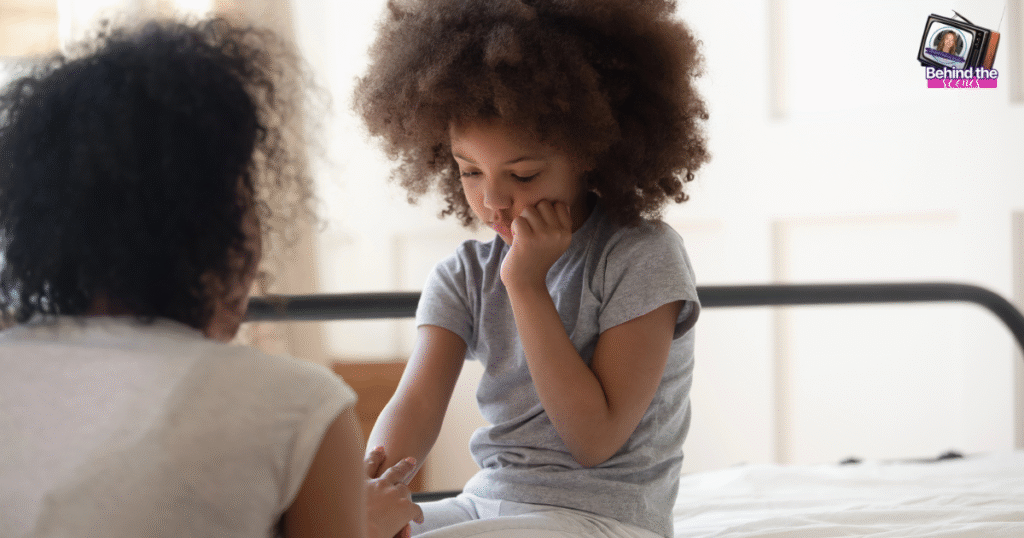
Older children are hearing things at school, on the bus, and from friends, so they have more questions about why bad things happen and are starting to understand the larger world. Your role is to be a source of accurate information and to help your child process their feelings.
A good way to start is to ask what they know with an open-ended question like, “There’s been a lot of talk about [the event]. What have you heard about it at school or online?” This allows you to then clarify misconceptions and gently correct any misinformation or exaggerated fears, for example, by explaining, “This happened in a city very far from us, not in our town.”
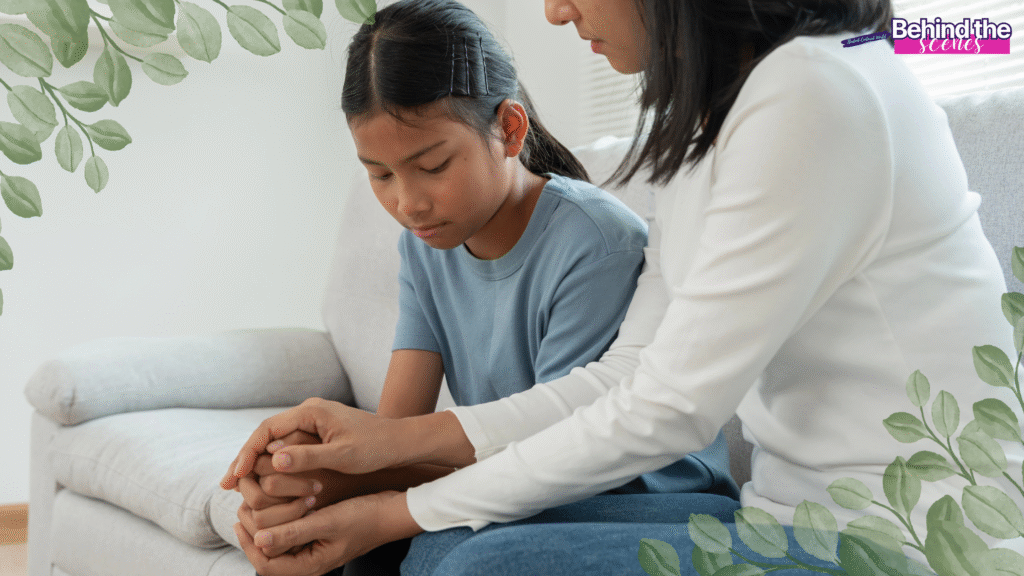
As you provide context and justice, you can introduce slightly more complex ideas, such as “This was a tragic event, and the leaders in that community are working to make sure it doesn’t happen again,” and discuss the role of an elected official or the principles of a peaceful protest.
Throughout this conversation, it is essential to validate their feelings; simply stating, “It’s completely normal to feel sad, angry, or scared about this. Those feelings make sense,” goes a long way in helping your child feel heard and understood.
For Teenagers and Young Adults
With older children and young adults, the conversation shifts from simple reassurance to more complex discussions about justice, safety, and their role in the world, especially since they are consuming news stories and social media independently and are often exposed to graphic images and intense opinions.
A productive way to engage is through mutual learning; you can ask, “What are you seeing online about this? I’ve been reading about it too, and I’d like to hear your perspective.” This naturally leads into a crucial discussion about media literacy, a critical time to explore the distinction between reliable journalism and sensationalized content, by suggesting, “Let’s look at how different news sources are covering this story.”
Furthermore, you can help them channel anxiety into agency by exploring civic action together. Pose the question, “Seeing these terrible things can make you feel powerless. What are some ways we could help, even from here? Maybe we can donate or write to our elected official?”
This sense of agency is a powerful antidote to fear, a concept supported by the National Association of School Psychologists, and helps them move from feeling like passive observers to active participants.
The Ongoing Conversation: Building Resilience
Talking about scary events isn’t a one-time talk; it’s an ongoing dialogue, and here’s how to keep the lines of communication open and support your child’s mental health.
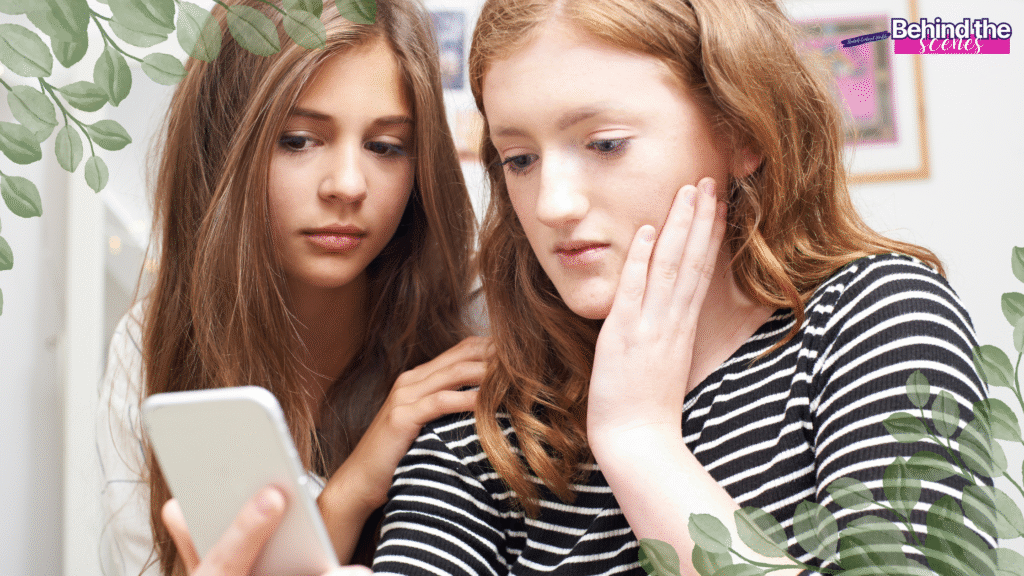
First, it is crucial to limit the exposure to distressing content; as the American Academy of Pediatrics warns against repeated exposure to graphic images, be sure to turn off the 24/7 news coverage, be mindful of adult conversations when kids are present, and create a Family Media Plan to manage the amount of exposure. Within this calmer environment, make a point to listen more than you talk, remembering that the goal is to understand their fears, not to lecture, so let them ask lots of questions because sometimes the best thing you can do is just listen.
Alongside managing media, you can focus on the good by actively seeking out and sharing stories of compassion, bravery, and community recovery in the wake of traumatic news, which helps balance the narrative that the world is a scary place.
It is vital to maintain routine, as consistency is profoundly comforting; sticking to regular bedtimes, meals, and activities means the normalcy of the dinner table or a Saturday morning routine goes a long way in reinforcing stability. Finally, you can empower with action; as Holly Korbey, author of Building Better Citizens, emphasizes, civics education and action are key, so consider if you could draw pictures for first responders, donate allowance money to a relevant cause, or find other ways to help, since empowerment is the enemy of anxiety.
FAQ: How to Talk to Kids About Scary News and Navigating Common Concerns
Should I shield my child from the news?
For younger children, yes, as much as possible. But for older kids, it’s less about shielding and more about guiding. You can’t control everything they hear, but you can be their primary interpreter, helping them understand events in a healthy way.
What if they hear about something scary at school?
This is very common. If your child comes home upset, your first step is to comfort and listen. Ask what they heard and how it made them feel. Then, you can gently provide the accurate information and context they need, following the age-appropriate guidelines above.
My young kids overheard me discussing tragic events and are now asking if “bad guys” are coming to our house. What is the best approach?
In this situation, one of the most important things parents can do is to provide concrete reassurance of safety. A good idea is to avoid abstract concepts and instead focus on the present. You can say, “I understand why that sounds scary, but we are safe right here in our home.” For young kids, it can be helpful to create a simple safety plan for different types of events, like knowing where to meet during a fire drill, to reinforce a sense of control.
Media scholar Tara Conley suggests that parents use clear, simple language to correct misconceptions without going into graphic detail about the bad news. This approach helps to contain their fear while affirming their security.
How can I help my child who is having nightmares after learning about school shootings or other scary things on the news?
Nightmares are a common response, and helping your child develop healthy coping skills is essential. The American Psychological Association recommends limiting news exposure and maintaining calm, predictable routines. You can also empower them by focusing on helpers and community healing; for instance, after the Sandy Hook School tragedy, many families found comfort in drawing pictures for first responders.
The goal isn’t to promise that nothing bad will ever happen (a fear some children express as worry about World War III), but to build resilience, much like President Obama did when he explained tragic events to his then-young daughter by emphasizing the goodness in the world.
The Bottom Line: Connection is Protection
Navigating difficult conversations about scary news events is never easy. But by managing your own reactions, tailoring your approach to your child’s age, and fostering an ongoing, open dialogue, you do more than just alleviate fear…you build resilience.
To help you begin these essential, peaceful conversations, I invite you to download my free guide, “5 Prompts to Help Kids Feel Safe.” These gentle, ready-to-use prompts are designed to calm their hearts…and yours.
They will help you talk with your kids when headlines feel scary, offering simple ways to listen first, reassure with honesty, and create those small moments of calm that build a lasting sense of security.
These simple things remind them that your own home is a safe place, a steadfast living space, no matter what’s happening outside.
Sign up today for your free one-page PDF. It’s a great idea and a simple tip to strengthen your family’s foundation. Let’s take this first, good way toward hope, together.
You teach your child that even when the world feels like a scary place, they are loved, they are safe, and they have a voice. You show them that together, you can find the helpers, be the helpers, and face big stories with courage and heart. That, perhaps, is the best way to help our kids not just cope with a frightening world, but to feel empowered to build a better one.
Next Steps:
- *Feeling overwhelmed by the 24/7 news cycle? Create a Family Media Plan Template to protect your family’s peace.
- For more insights on raising resilient and informed children, explore our [Raising Grounded Kids Journal].